Share this


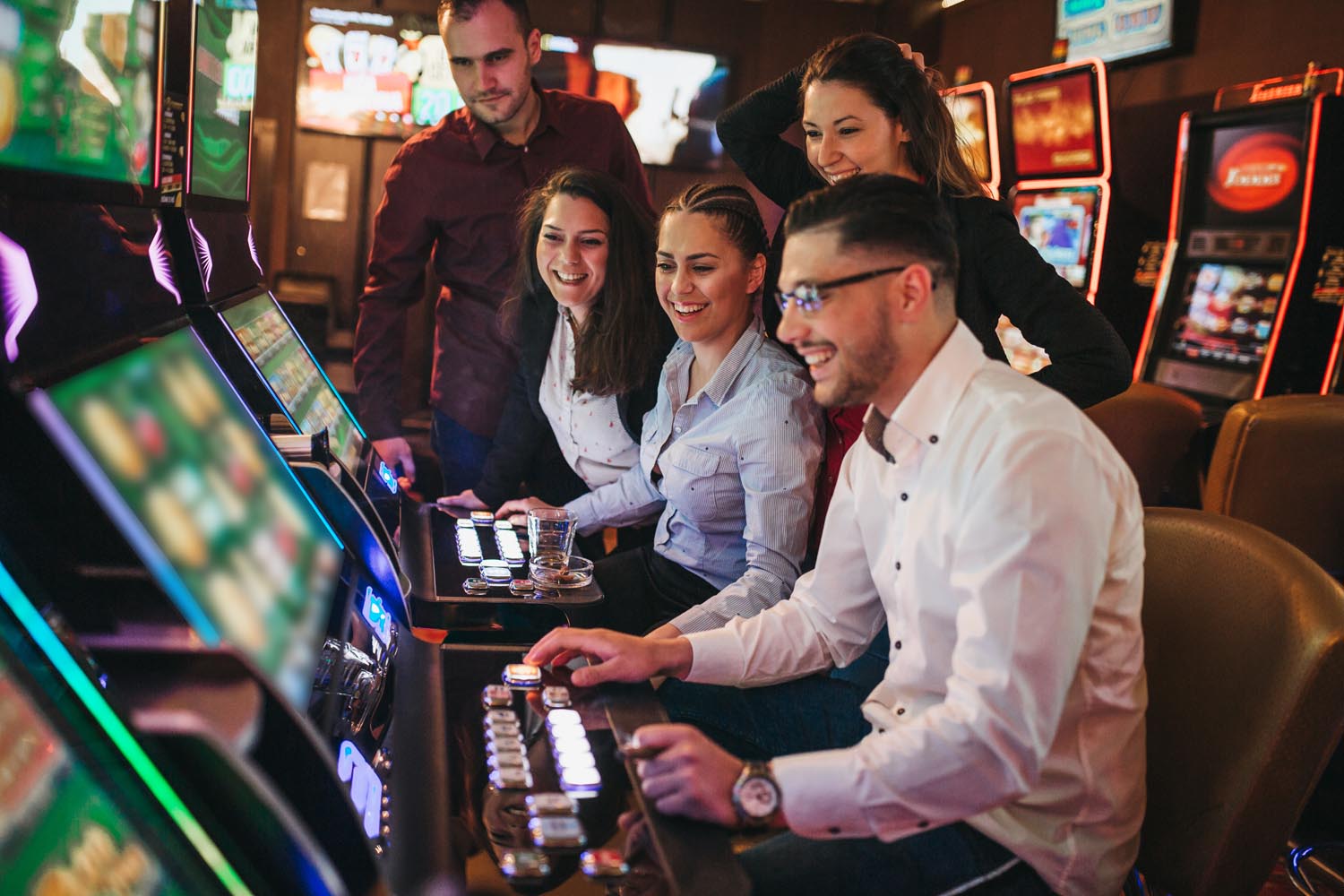
One of my earliest memories of the gaming industry came during a visit to the original MGM Grand in Las Vegas. As a teenager, I had the opportunity to tour the back of the house and see firsthand how much coordination and operational expertise were required to support the guest experience. While most people focused on what was happening on the casino floor, I found myself fascinated by everything surrounding it. The hotel operation, the restaurants, the entertainment venues, and the teams working behind the scenes all played an important role in shaping how guests experienced the resort property.
That perspective has stayed with me throughout my career. Over the past two decades, I’ve worked with corporate and tribal gaming operators across North America and had a front-row seat to the evolution of the gaming resort. One thing I’ve consistently observed is that experiences once viewed as supporting the casino floor now influence loyalty as much as many traditional gaming touchpoints.
When I first entered the industry, conversations about casino resorts, dining, entertainment, and other property amenities were often framed around diversification and non-gaming revenue. Those objectives remain important, but these experiences now play a larger role in how guests evaluate a property. As guests spend more time engaging with different parts of the resort, operators are being asked to connect those experiences in ways that feel seamless to the guest while providing a more unified view of the relationship behind the scenes.
According to LT.agency’s 2025 Casino Player Trends Report, 45% of players now spend more than a quarter of their visit participating in non-gaming activities, more than double the percentage reported the previous year. Younger guests place even greater emphasis on dining and entertainment when choosing which properties to visit. At the same time, 85% of operators identify non-gaming revenue growth as a strategic priority.
These trends point to a broader shift in how guests experience gaming resorts. A guest may still arrive because of gaming, but today’s visit often extends well beyond the casino floor. For years, operators measured the success of restaurants, hotels, and entertainment venues largely through their individual performance. Increasingly, I’m seeing operators evaluate those experiences through a different lens: how they influence loyalty and long-term guest value.
Most operators already recognize this shift and continue investing in experiences that strengthen loyalty. Each interaction tells part of the story, but the real value emerges when those insights are viewed together.
The growing interest in AI is making this challenge more visible. As operators explore new ways to personalize experiences and surface guest insights, the ability to connect information across the resort is becoming increasingly important.
One of the things I’ve learned from working with gaming operators is that guests rarely think about their experiences the way organizations do. A guest may receive a loyalty offer, stay at the resort, dine on property, and spend time on the casino floor during the same visit. Internally, each of those interactions may be managed by a different team. From the guest’s perspective, they are all part of the same relationship with the property.
Personalization is often discussed through the lens of offers and rewards. Guests experience it differently. They remember when a property recognizes their preferences and applies that knowledge consistently throughout their stay. As resorts have expanded, delivering that level of consistency has become more difficult because context often remains trapped within individual systems and departments.
AI is creating new opportunities to personalize interactions at scale, but personalization still depends on understanding the guest. Technology can help surface insights, but it can’t compensate for incomplete or disconnected guest information.
A restaurant may know a guest’s dining preferences. The casino resort may understand their stay history. The loyalty system may track points, offers, and rewards. Gaming systems may capture valuable information about player behavior. The opportunity lies in making that information available when and where it can improve the guest experience.
When employees have access to a broader understanding of the guest, they can make better and more timely decisions. Interactions feel more relevant, service becomes more consistent, and guests spend less time repeating information they have already shared elsewhere on the property.
For years, hospitality technology investments were made to solve specific operational needs. Property management systems, point-of-sale platforms, loyalty solutions, reservation systems, and mobile applications each served an important purpose. As resorts expanded, technology expanded alongside them.
Most operators aren’t struggling because they lack guest information. In many cases, they have more information than ever. What I see most often is an inability to apply that knowledge consistently across the guest experience.
Recent advances in AI have made this challenge more visible. Operators are increasingly exploring ways to surface guest insights and provide employees with better context at the moment of service. The organizations that benefit most will be those that can bring together guest information from across the resort and make it accessible when it matters most.
Valuable insights often remain isolated within individual systems and departments, making it difficult to apply what is known about a guest consistently across the resort. But guests don’t think about systems. They simply expect the property to know who they are and provide a consistent experience across every interaction.
The easier it is for teams to access and use guest information, the easier it becomes to deliver a more consistent experience across the property.
Gaming will always remain at the center of the casino resort experience. What is changing is the number of interactions that influence how guests evaluate a property and how they decide whether to return.
Gaming operators have spent decades developing a deep understanding of player behavior. The next step is applying that same level of understanding across the broader guest relationship.
As AI becomes a larger part of the hospitality technology conversation, the organizations that benefit most will be those that already have a strong understanding of their guests across the resort. Loyalty is shaped by more than any single interaction. It develops through a series of experiences that, together, define a guest’s relationship with the property.
If guests increasingly experience a gaming resort as a single relationship with the property, why do so many organizations still manage that relationship through separate departments, technology systems, and operational teams?
That’s the topic I’ll explore in the next article.