Share this


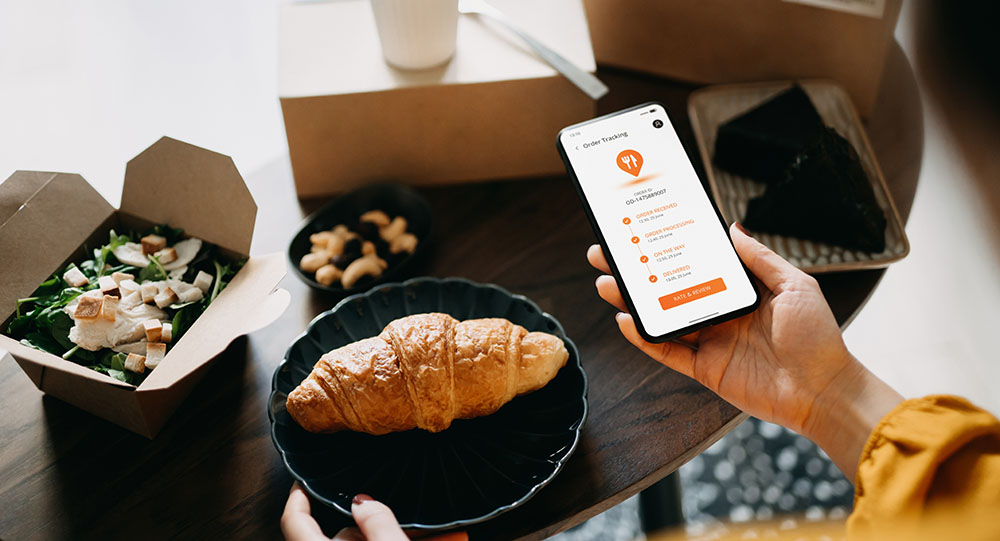
Foodservice operators have never had more ways to engage guests.
Orders can originate from a traditional POS terminal, a handheld device, a self-service kiosk, a mobile app, an online ordering site, or increasingly, conversational and AI-powered ordering experiences. Each new channel gives guests more flexibility in how they interact with a foodservice operation.
From the guest’s perspective, that’s a positive development. People want the ability to engage on their terms, whether they’re ordering from a cashier, a kiosk, a mobile device, or another digital channel.
For operators, every new ordering channel brings another system, workflow, and data source that must remain aligned with the rest of the business. A decade ago, menu updates, pricing changes, and item availability were often managed through a relatively small number of systems. Today, the same information may need to appear across kiosks, mobile applications, online ordering platforms, digital menus, third-party channels, and emerging AI-powered experiences. Operators recognize the need to meet guests wherever they prefer to engage, but every new channel adds another layer of complexity behind the scenes. The result is an operational environment where teams spend increasing amounts of time managing information across systems while working to deliver the consistent guest experiences customers expect.
Technology should make operations simpler, not create additional complexity behind the scenes.
For many operators, the complexity becomes most visible during routine daily tasks.
Something as simple as updating the price of a menu item often requires changes across multiple systems and guest touchpoints. The change may need to be reflected in the POS, mobile ordering environment, kiosk experience, digital menu boards, and any additional ordering channels available to guests. Updating a price isn’t difficult. Ensuring that change appears everywhere guests can place an order is where the real work begins.
The same issue applies to menu availability. If a location runs out of a popular item, that change needs to be communicated everywhere guests can place an order. When systems aren’t connected, operators often find themselves spending valuable time updating information multiple times, verifying that changes were deployed correctly, and troubleshooting inconsistencies when something falls out of sync. Hours that could be spent managing staff, serving guests, or improving operations instead get redirected toward maintaining technology.
Guests may never see the technology powering a foodservice operation, but they notice immediately when information isn’t consistent. A menu price that changes between ordering channels can create frustration. So can placing an order for an item that is no longer available, or receiving a different experience depending on how the order was placed. While these moments may seem small on their own, they can undermine confidence in the overall experience.
That pressure is increasing as guests interact with foodservice brands through more touchpoints than ever before. Every kiosk, mobile application, online ordering site, and emerging AI-powered experience creates another opportunity to engage guests, but also another opportunity for information to fall out of sync.
Consistency has gone beyond an operational concern behind the scenes to become an always-visible part of the guest experience itself.
As foodservice organizations explore AI-powered ordering and guest engagement experiences, the quality of the underlying data becomes increasingly important.
Conversational ordering experiences allow guests to place orders by simply asking for what they want. Intelligent recommendations can suggest menu items based on guest preferences, previous purchases, or dietary considerations. Together, these capabilities have the potential to create faster, more relevant, and more personalized interactions.
However, each of these experiences depends on the same thing: accurate operational data. An AI-powered ordering assistant is only as reliable as the information behind it. If menu data, pricing, or availability are inconsistent, those issues quickly become visible to guests.
In many ways, the promise of AI depends on solving an older challenge first: ensuring the underlying data is trustworthy.
This is why many foodservice organizations are rethinking the foundations of their technology environments.
Instead of maintaining separate versions of menus, pricing, and ordering information across multiple environments, operators can manage those elements from a common foundation that supports every channel. Platforms such as Agilysys InfoGenesis were built to address this growing complexity by providing a centralized operational foundation where menus, pricing, availability, ordering channels, and reporting all draw from the same core information.
When information is managed from a common source, menu updates become easier to deploy, reporting becomes more reliable, and new guest-facing innovations can be introduced without adding unnecessary operational complexity.
Operators have enough variables to manage without wondering whether menu updates have been deployed correctly, prices remain consistent across channels, or guests are receiving different experiences depending on how they choose to order.
A connected technology foundation provides something many operators value just as much as efficiency: confidence. Confidence that information is accurate, systems remain aligned, and guests receive the same experience regardless of how they choose to engage. That’s the real value of a connected technology foundation. While it does reduce administrative work, its greater value is that it allows operators to spend less time validating systems and more time focusing on employees, guests, and the overall performance of the business.
As ordering channels continue to expand and AI-powered experiences become more common, maintaining accurate and consistent information across the operation will become increasingly important.
The organizations best positioned for that future will be the ones with the operational foundation needed to support whatever ordering channels guests choose to use. When menus, pricing, availability, and ordering information all originate from the same trusted source, operators gain something increasingly valuable: the confidence that information is accurate, systems remain aligned, and guests receive a consistent experience regardless of how they engage. That allows teams to spend less time managing technology and more time delivering great food and great service.